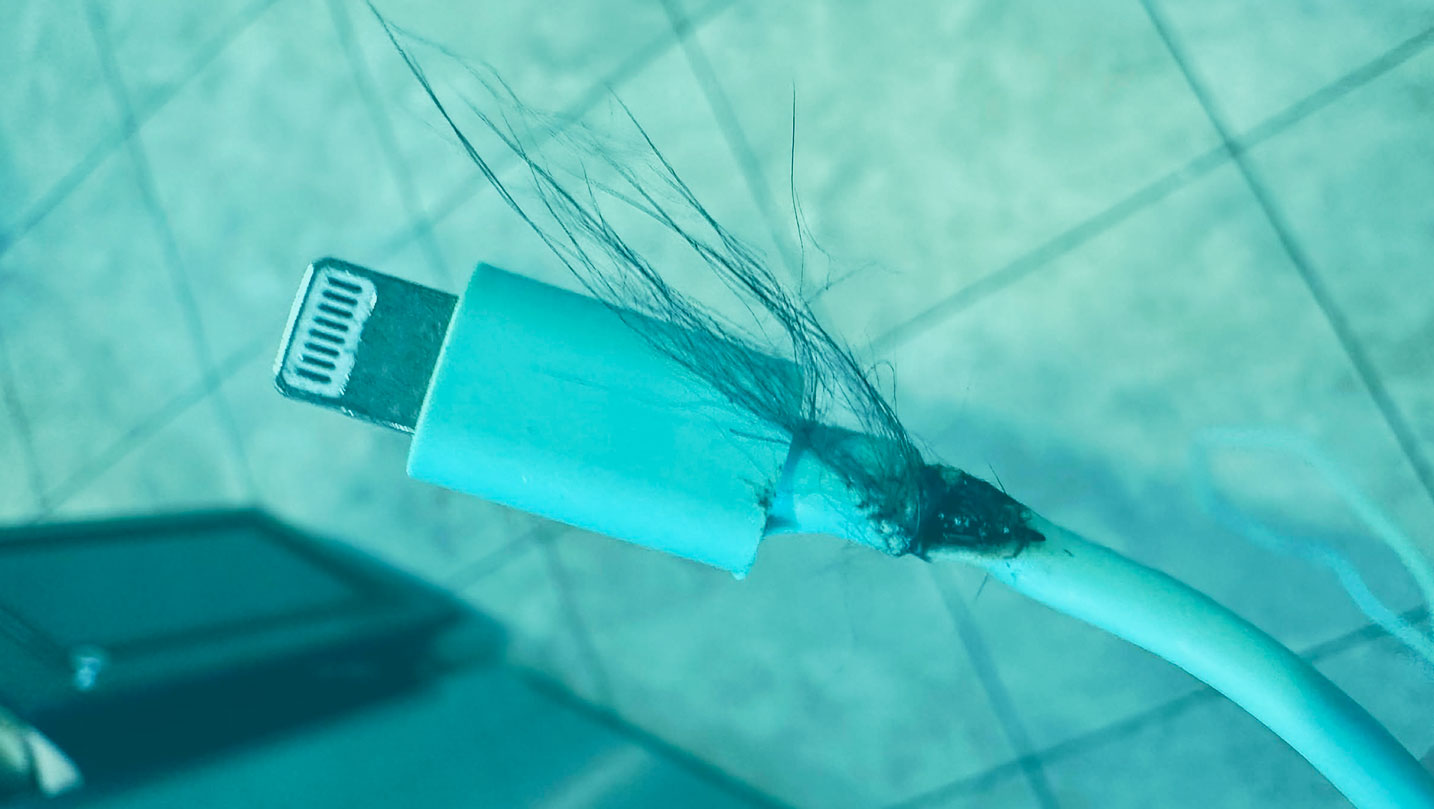
Think lithium-ion battery safety doesn’t apply to you? Think again. There’s a good chance you’re using, charging, or sitting near a lithium-ion battery right now.
These batteries power many of the products we rely on every day because they are lightweight, rechargeable, and capable of storing large amounts of energy. From the phone in your pocket to the vehicle in your garage, lithium-ion batteries have become an essential part of modern life.
Some of the most common products that contain lithium-ion batteries include:
Consumer Electronics
- Smartphones and tablets
- Laptops and e-readers
- Wireless headphones and earbuds
- Smartwatches and fitness trackers
Household and Personal Care Devices
- Cordless vacuum cleaners
- Electric toothbrushes
- Electric razors and trimmers
- Portable power banks and backup chargers
Tools, Transportation, and Recreation
- Cordless power tools, including drills, saws, and nail guns
- E-bikes
- Electric scooters
- Drones
- Electric vehicles (EVs)
Because lithium-ion batteries are found in so many everyday products, understanding how to safely charge, store, use, and dispose of them is an important part of protecting your home and family from fire hazards.
What Makes Lithium-Ion Batteries a Fire Risk?
Lithium-ion batteries store a large amount of energy in a compact space. If a battery becomes damaged, overheated, punctured, overcharged, or exposed to water, it can experience a dangerous chain reaction known as thermal runaway. During thermal runaway, battery cells generate excessive heat, release flammable gases, and may ignite or explode.
Even after the initial damage occurs, a battery may not fail immediately. In some cases, damaged batteries have ignited hours or even days later.
Before You Buy
Not all battery-powered devices are created equal. Before purchasing a product:
- Check for recalls or safety alerts on the Consumer Product Safety Commission’s website.
- Look for certification from a Nationally Recognized Testing Laboratory (NRTL).
- Purchase products and replacement batteries from reputable manufacturers and retailers.
- Avoid counterfeit batteries, chargers, and accessories.
Charging Lithium-Ion Batteries Safely
Many lithium-ion battery fires occur during charging. Following a few simple precautions can significantly reduce the risk.
Use the Right Charger
Always use the charging cord and power adapter provided by the manufacturer or an approved replacement designed specifically for your device.
Using incompatible or low-quality chargers can increase the risk of overheating and battery failure.
Charge on a Hard Surface
Place devices on a hard, flat surface while charging, such as a desk, table, or countertop. Avoid charging on beds, sofas, pillows, blankets, other soft or flammable surfaces. These materials can trap heat and increase the risk of fire.
These materials can trap heat and increase the risk of fire.
Avoid Overloading Outlets
Plug charging devices directly into wall outlets whenever possible. Avoid:
- Overloaded power strips
- Multiplug adapters
- Excessive use of extension cords
If you’re unsure whether your home’s electrical system can safely support your charging needs, consider having a licensed electrician inspect your circuits.
Don’t Leave Devices Charging Unattended
While modern devices include safety features to help prevent overcharging, it’s still a good practice to unplug devices once they reach a full charge.
Avoid leaving devices charging overnight or when no one is home.
Watch the Temperature
Lithium-ion batteries perform best at moderate temperatures.
- Do not charge batteries below 32°F (0°C) or above 105°F (40°C).
- Keep devices out of direct sunlight while charging.
- Never charge batteries in a hot vehicle.
Safe Storage Practices
Proper storage can extend battery life and reduce fire hazards.
Store at Room Temperature
Whenever possible, keep batteries and devices in a cool, dry location at normal room temperature.
Avoid storing batteries:
- In direct sunlight
- In vehicles
- Near heaters or heat-producing appliances
- In freezing temperatures
Keep Batteries Away from Combustible Materials
Store batteries away from:
- Paper products
- Cardboard boxes
- Cleaning supplies
- Fabrics and upholstery
- Other flammable materials
Also, avoid storing or charging batteries in locations that block exits or escape routes.
Protect Batteries from Damage
Physical damage is one of the leading causes of battery failure.
Never:
- Drop batteries
- Crush batteries
- Puncture batteries
- Modify battery packs
When transporting spare batteries, consider using protective cases to prevent damage and accidental short circuits.
Know the Warning Signs of Battery Failure
If a lithium-ion battery begins to fail, it may provide warning signs before a fire occurs.
Stop using the battery or device immediately if you notice:
- Excessive heat
- Swelling or bulging
- Leaking fluids
- Smoke
- Popping, crackling, or hissing sounds
- Unusual odors
- Changes in color or shape
If a battery is smoking, actively burning, or appears to be in distress, move away from the area and call 911.
Safety Tips for E-Bikes, Scooters, Power Tools, and Other Large Batteries
Devices with larger battery packs often require extra caution because they contain significantly more stored energy.
When charging larger battery-powered equipment:
- Follow all manufacturer instructions.
- Charge outdoors when practical and safe to do so.
- Keep charging areas clear of combustible materials.
- Never block doors, hallways, or exits while charging.
- Monitor batteries for signs of overheating.
Gaming laptops, drones, power tools, e-bikes, and scooters can place significant demands on batteries. If any device becomes unusually hot during operation or charging, discontinue use until it can be inspected.
Traveling with Lithium-Ion Batteries
If you’re flying with battery-powered devices:
- Keep devices where you can see them while charging.
- Do not charge e-cigarettes or vapes on the plane.
- Notify a flight attendant immediately if you notice a problem with your device.
- Remove lithium-ion batteries from checked smart luggage and keep them with you on the plane.
- Remove spare, loose lithium-ion batteries from checked luggage and keep them with you on the plane.
Airlines may have additional restrictions for certain battery types and capacities, so check with your carrier before traveling.
Electric Vehicle and Flood Safety
Flooding can create unique risks for electric vehicles and other large lithium-ion battery systems.
Before a Flood
If severe weather or flooding is expected:
- Disconnect your EV from its charging equipment.
- Cover charging station outlets to help prevent water intrusion.
- Move the vehicle away from flood-prone areas if possible.
- Park at least 50 feet away from structures and combustible materials.
After Flood Exposure
If an electric vehicle has been exposed to floodwater, saltwater, or storm surge:
- Do not charge the vehicle.
- Do not attempt to drive it.
- Do not store it inside a garage or near buildings.
- Keep a safe distance from the vehicle.
- Arrange for inspection by a qualified EV technician.
If you suspect battery damage, contact emergency responders immediately.
Proper Battery Disposal
Lithium-ion batteries should never be thrown in household trash or recycling bins.
Improper disposal can cause batteries to short-circuit, overheat, and ignite in garbage trucks, recycling facilities, and landfills.
Before recycling:
- Place tape over exposed battery terminals.
- Store damaged batteries separately and safely until disposal.
- Follow local guidelines for handling damaged batteries.
Take batteries to:
- Battery recycling centers
- Household hazardous waste collection sites
- Approved electronics recycling programs
Check with your local municipality or waste management provider to locate a recycling site near you.
Final Thoughts
Lithium-ion batteries power many of the technologies that make modern life more convenient, but they require proper care and attention. By following manufacturer instructions, charging safely, storing batteries correctly, recognizing warning signs of failure, and disposing of batteries responsibly, you can significantly reduce the risk of fire and protect your home and family.
A few simple precautions today can help prevent a dangerous battery fire tomorrow.