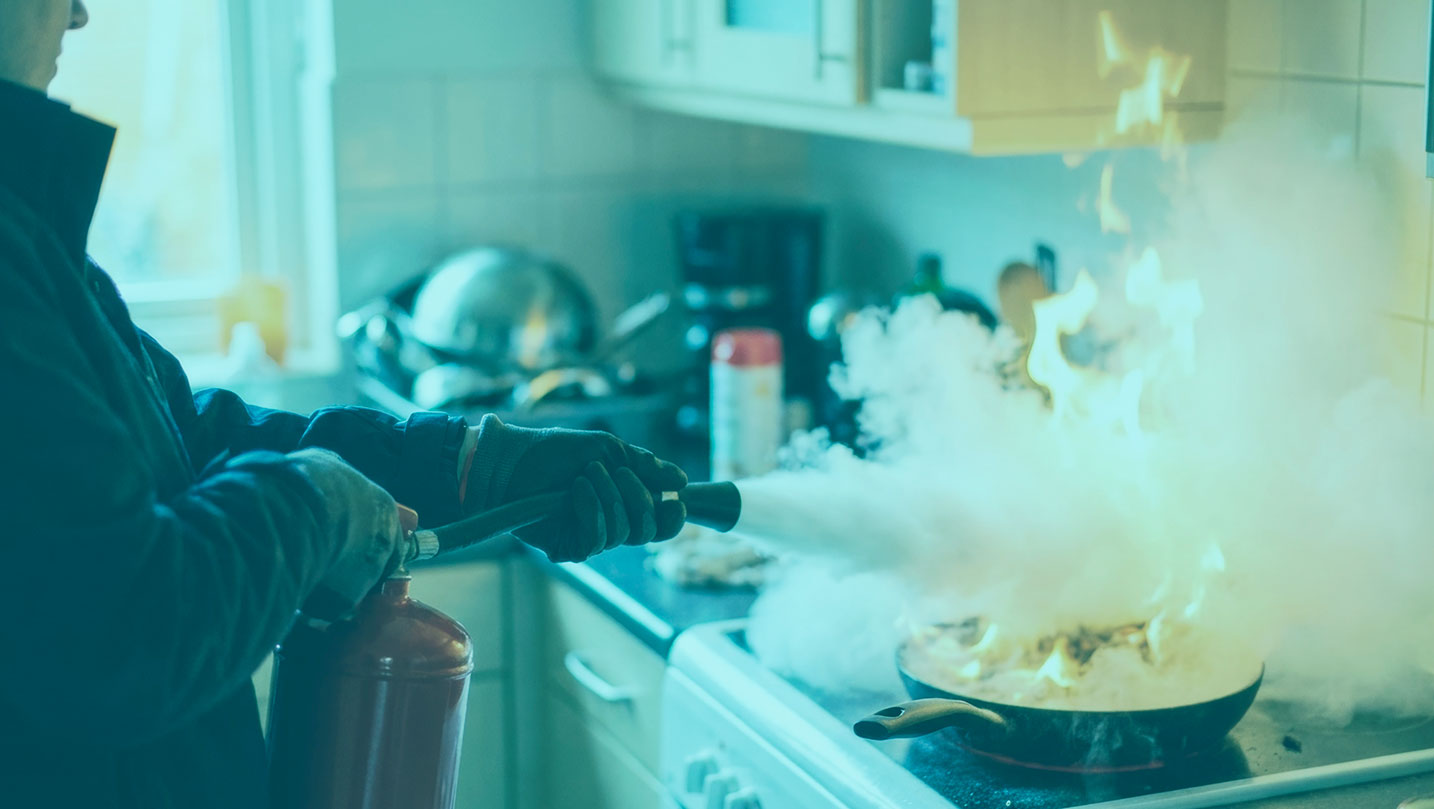
A house fire can happen in a matter of minutes, but many of the most common causes are preventable. From unattended cooking to overloaded electrical outlets, understanding the risks and taking simple precautions can help protect your home, your belongings, and most importantly, your loved ones.
Here are 10 practical ways to reduce fire hazards and improve fire safety around your home.
1. Install and Test Smoke Alarms
Smoke alarms provide an early warning that can make all the difference during a fire emergency. Install smoke alarms on every level of your home, inside bedrooms, and outside sleeping areas.
To keep them working properly:
- Test alarms monthly.
- Replace batteries at least once a year, unless your unit uses a sealed long-life battery.
- Replace smoke alarms that are 10 years old or older.
Early detection can significantly increase your family’s chances of escaping safely during a fire.
2. Never Leave Cooking Unattended
Cooking equipment is one of the leading causes of home fires. Even a small grease fire can spread quickly if left unattended.
When cooking:
- Stay in the kitchen while frying, grilling, or broiling food.
- Turn off burners if you need to leave the room.
- Keep children and pets at least three feet away from cooking areas.
- Keep towels, oven mitts, paper products, and other combustible materials away from stovetops.
A few moments of distraction can lead to a dangerous situation, so always keep an eye on what’s cooking.
3. Keep Flammable Materials Away from Heat Sources
Many everyday household items can easily ignite when exposed to heat.
Be sure to:
- Store cleaning supplies, gasoline, paint thinners, and other flammable liquids in cool, well-ventilated locations.
- Keep paper products, curtains, and fabrics away from stoves, fireplaces, and heaters.
- Properly dispose of oily rags used with stains, paints, or linseed oil, as they can generate heat and ignite on their own.
Keeping combustibles away from heat sources is one of the simplest ways to prevent a fire.
4. Use Space Heaters Safely
Space heaters provide extra warmth during cooler weather, but they can become dangerous if used improperly.
Follow these safety tips:
- Maintain at least three feet of clearance around the heater.
- Keep heaters away from furniture, bedding, curtains, and rugs.
- Plug heaters directly into wall outlets rather than extension cords.
- Turn heaters off when leaving the room or going to bed.
Always follow the manufacturer’s instructions and never leave a space heater unattended.
5. Inspect Electrical Cords and Outlets
Electrical issues are a common source of house fires. Damaged wiring, overloaded circuits, and faulty outlets can create sparks that ignite nearby materials.
Regularly check for:
- Frayed or cracked power cords.
- Loose or warm wall outlets.
- Flickering lights.
- Frequently tripped breakers.
Avoid overloading outlets and never “daisy-chain” power strips together. If you notice signs of electrical problems, contact a licensed electrician for an inspection.
6. Clean Dryer Lint and Vents Regularly
Lint is highly flammable and can accumulate inside clothes dryers and exhaust vents over time.
Reduce the risk by:
- Cleaning the lint screen after every load.
- Checking behind the dryer for lint buildup.
- Having the dryer vent inspected and cleaned annually.
Proper airflow helps your dryer operate efficiently while reducing the chance of overheating.
7. Practice Candle and Smoking Safety
Open flames require constant attention.
If you use candles:
- Never leave them burning unattended.
- Extinguish them before leaving a room or going to sleep.
- Keep them away from curtains, papers, pets, and children.
If you smoke:
- Smoke outdoors whenever possible.
- Fully extinguish cigarette butts with water before disposal.
- Never smoke in bed or when drowsy.
Small embers can quickly turn into large fires.
8. Keep Fire Extinguishers Accessible
Having a fire extinguisher nearby can help stop a small fire from becoming a major emergency.
Consider placing extinguishers:
- In the kitchen.
- Near garages or workshops.
- On each level of the home.
Everyone in the household should know where extinguishers are located and how to use them. Remember the PASS method:
- Pull the pin.
- Aim at the base of the fire.
- Squeeze the handle.
- Sweep from side to side.
Only attempt to extinguish a fire if it is small and you can do so safely.
9. Handle Lithium-Ion Batteries with Care
Lithium-ion batteries power many devices, including smartphones, laptops, power tools, e-bikes, and rechargeable household gadgets. Damaged, defective, or improperly charged batteries can overheat and ignite.
To stay safe:
- Use manufacturer-approved chargers.
- Avoid overcharging devices.
- Stop using batteries that are swollen, damaged, or excessively hot.
- Store batteries away from direct sunlight and extreme temperatures.
If a battery shows signs of damage, follow local disposal guidelines and replace it promptly.
10. Maintain Your Property
Protecting your home from fire hazards isn’t limited to what’s inside your house. Regular exterior maintenance can help reduce the risk of a fire starting or spreading to your property.
Help keep your home safer by:
- Cleaning leaves, pine needles, and other debris from gutters and roofs.
- Trimming tall grass, dry vegetation, and overgrown shrubs around your home.
- Removing dead tree branches and other combustible materials from your yard.
- Keeping firewood, propane tanks, and other flammable items a safe distance from your home’s exterior.
Taking these simple maintenance steps can help reduce potential fuel sources and improve your home’s overall fire safety.
Fire Safety Starts with Prevention
Most home fires are preventable with routine maintenance, safe habits, and proper planning. Taking time to inspect your home, eliminate common hazards, and stay aware of potential risks can significantly reduce the chances of a fire.
Remember to have a family evacuation plan in place before an emergency occurs. Make sure everyone in your household knows how to evacuate safely, where to go, and has a designated meeting place outside the home. Review and practice the plan regularly so everyone knows what to do if a fire occurs. During an emergency, every second counts, and having a plan can help your family react quickly and safely.
By following these 10 fire safety tips, you’ll be taking important steps toward protecting your home, your property, and the people who matter most.